 SousVideInsight
Mastering duck confit with an aromatic allium cure elevates humble duck legs into a luxurious, deeply flavorful French classic at home.
There's something magical about transforming humble duck legs into a luxurious, silky, and deeply flavorful French classic. As someone who's been on a culinary exploration journey, I can tell you that mastering duck confit is a rite of passage. The process, which involves curing, slow-cooking in fat, and preservation, yields results that are far greater than the sum of its parts. The word 'confit' itself means 'preserved,' and that's exactly what this method does—it creates tender, seasoned meat that can be enjoyed for weeks. Forget the fast-food versions; this is about patience, technique, and unlocking layers of savory, umami-rich flavor that store-bought options simply can't match. It's 2026, and while cooking trends come and go, the timeless appeal of perfectly executed confit remains unshaken.
🧂 The Art of the Allium Cure: Building Flavor from the Ground Up
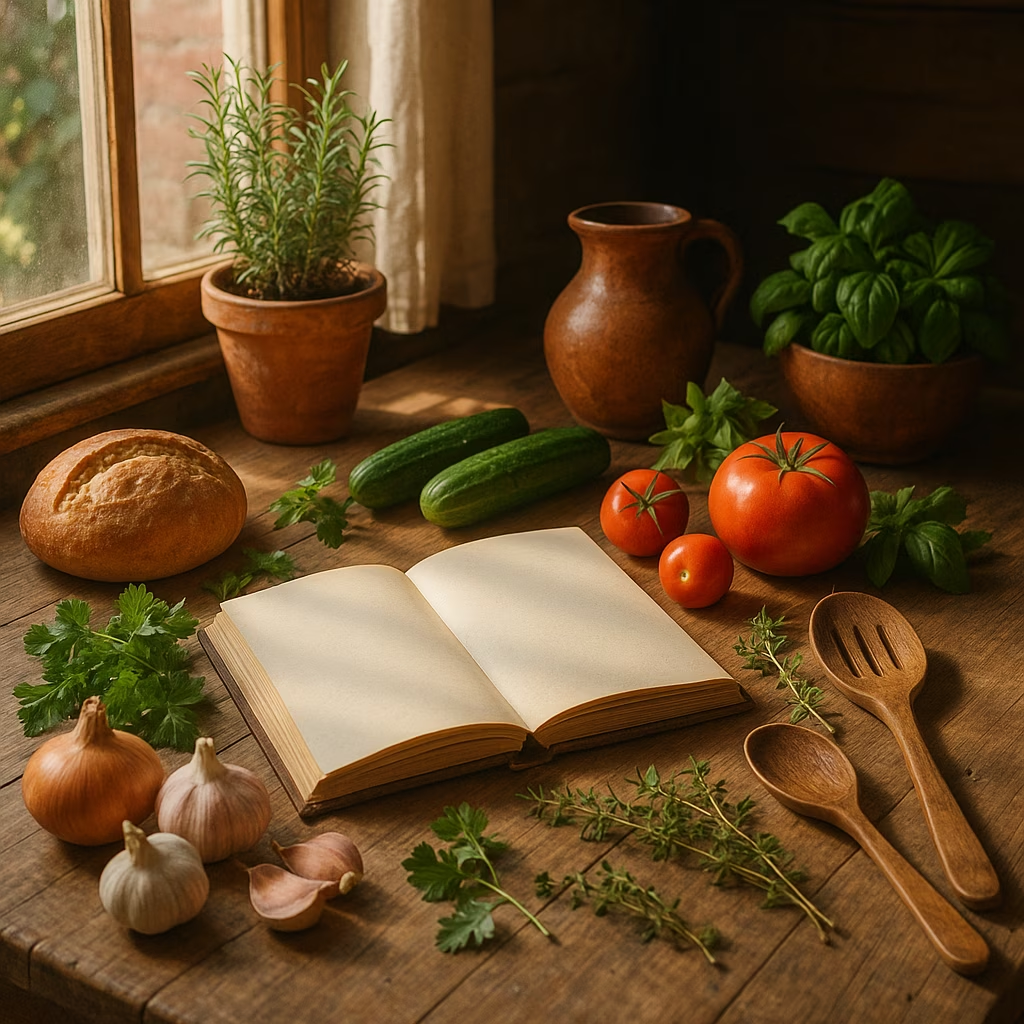
The first, and perhaps most crucial, step is the cure. This isn't just about salting; it's about infusing the meat with aromatic depth. For my confit, I start with a vibrant, finely chopped mixture of shallots, onion, garlic, and fresh parsley. This allium blend is key—it seasons the meat profoundly and imparts a subtle, underlying vegetal sweetness that balances the duck's richness. I combine this with kosher salt, whole black peppercorns, and fresh thyme sprigs.
Here’s my simple process:
-
Season the Duck: Coat 4 duck legs (about 2 1/4 lbs) evenly with salt.
-
Create the Cure: Pulse the allium mixture in a food processor until finely chopped but not puréed.
-
Combine and Marinate: Place the duck legs, the vegetable cure, thyme, and peppercorns in a large zipper-lock bag. Seal it, press out all the air, and massage until the legs are fully coated.
-
The Waiting Game: Refrigerate the bag flat on a baking sheet for at least 24 hours, up to 48 hours. This slow cure is where the magic begins!
Pro-Tip: Don't have a spare onion? No problem! Just add an extra 3-4 shallots to the mix. The goal is that aromatic base.
🦆 The Slow & Low Transformation: Cooking in Rendered Duck Fat
After the cure, it's time for the gentle cook. This is where toughness melts away into tenderness. I preheat my oven to a very low 225°F (105°C). The star of this stage is the rendered duck fat—you'll need enough to completely submerge the legs (about 2-4 cups).
My Step-by-Step Cook:
-
Rinse and Dry: Remove the duck legs from the cure, wipe off the excess, and give them a gentle rinse under cold water. Pat them completely dry with paper towels. This step is vital for clean, reusable fat later!
-
Submerge in Fat: Arrange the legs in a single layer in a 3-quart saucier or a small baking dish. Melt your duck fat and pour it over the legs, ensuring they are fully submerged. This fat bath is what creates the protective seal for preservation.
-
The Long Cook: Cover the vessel with a lid or foil and transfer it to the oven. Let it cook slowly for 3.5 to 4 hours. You'll know it's done when the meat is completely tender, offering almost no resistance to a paring knife, and the skin has just begun to pull away from the drumstick.
🗄️ Preservation & Endless Possibilities: Your Culinary Reward
Once cooked, you have a treasure trove of possibilities. The confit can be enjoyed immediately, crisped up in a skillet, but its real superpower is preservation.
-
Storage: Store the legs in an airtight, opaque container, fully submerged in their cooking fat. They will keep beautifully in the refrigerator for up to 1 month.
-
Reusing the Fat: Here's a bonus! The now-flavorful duck fat can be strained and reused for at least two more batches of confit. By the third use, just give it a taste to check the salinity.
-
How to Serve:
-
Classic: Reheat and serve with a bright, acidic frisée salad to cut through the richness.
-
Hearty: Shred the meat into a traditional French cassoulet for the ultimate comfort food.
-
Simple & Crispy: My favorite? Heat a non-stick skillet over medium, place a confit leg skin-side down, and cook until the skin is irresistibly crispy and golden.
-
✨ Final Thoughts & Tips for 2026
This recipe is wonderfully adaptable. You can scale it up or down based on how many legs you have. The type of duck matters less than the technique—I've had great success with Pekin (Long Island) ducks. Remember, the vessel size dictates how much fat you need; just ensure those legs are always swimming in it!
In a world of instant meals, taking the time to create duck confit is a profoundly satisfying act. It connects you to centuries of French culinary tradition and rewards you with something incredibly versatile and delicious. The process of curing, the slow oven transformation, and the knowledge that you have a preserved delicacy at your fingertips is pure kitchen magic. So, gather your duck legs, clear a space in your fridge, and embark on this flavorful journey. Your future self, ready to make a spectacular weeknight meal or impress dinner guests, will thank you. Bon appétit! 🦆💫