 SousVideInsight
Steak frites shines as the ultimate home-cooked meal, pairing perfectly crusted steak with golden fries and a rich peppercorn sauce.
I’ve always felt that steak frites is the ultimate boss-level dish for home cooks. It’s elegant yet incredibly rustic, the kind of meal that makes a random Tuesday feel like a special occasion. For years I treated it as a restaurant-only luxury, because getting a perfectly crusted steak, piping hot golden fries, and a rich sauce to the table all at once felt like juggling three mini-bosses simultaneously. But after countless attempts (and a fair share of broken fries), I’ve finally cracked the code. Let me walk you through how I make bistro-quality steak frites right in my own kitchen, using a few clever tricks that simplify the timing and virtually guarantee success.
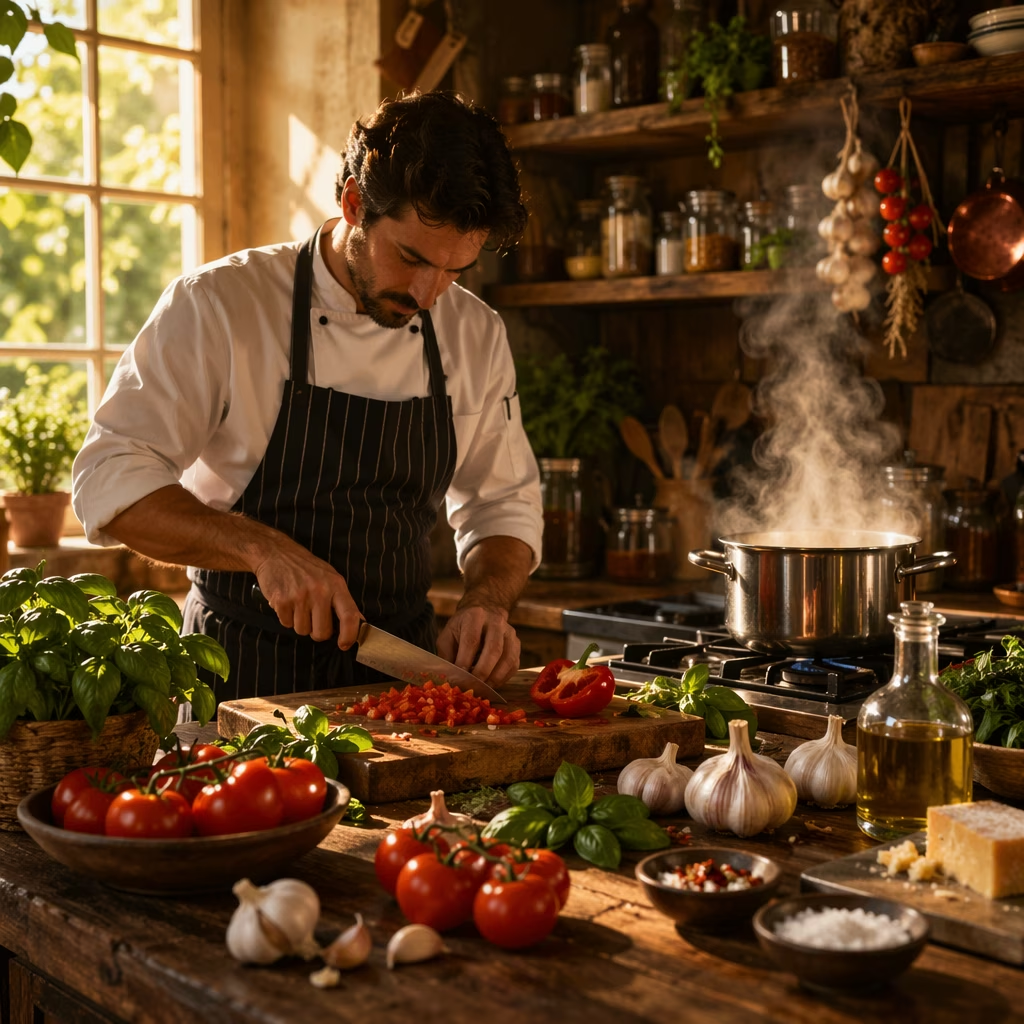
I start with the steak. As much as I respect traditional French bistros that use flavor-packed but chewier cuts like onglet or flank, when I’m cooking at home, I treat myself. A thick, bone-in or boneless ribeye or a prime strip steak is my go-to. The marbling melts into the meat as it cooks, keeping every bite juicy. The key is thickness—at least an inch and a quarter. If you use something thinner, just watch the temperature more closely and shorten the cooking time. About an hour before cooking, I pat the steak dry and douse it generously with kosher salt. That rest at room temperature lets the salt work its magic and ensures even cooking later.
Now the pan sear. I heat a cast iron or carbon steel skillet until it’s ripping hot, add just a tablespoon of neutral oil, and drop in the steak. Then I flip it every two minutes. That constant flipping builds a deep, even crust without overcooking the center. In the last minute, I toss in butter, thyme, and sliced shallots, spooning the foaming fat over the steak like a little self-basting ceremony. Once it hits 120°F (49°C) for medium-rare, I move the steak to a plate—no foil tent. Tenting traps steam and ruins that precious crust, and I refuse to let all that effort go soft. The steak will rest while I tackle the sauce and fries; I’ll flash it under the broiler for a minute right before serving if it’s cooled off too much.
Now, the sauce. That skillet is a treasure chest of browned bits and rendered beef fat. I pour off all but about a tablespoon of that fat—too much and the sauce turns greasy. For my sauce, I’m a devoted fan of green peppercorn cream sauce. It’s got this punchy, floral heat and a velvety texture that clings to steak and fries beautifully. I sweat minced shallots in butter, then stir in a tablespoon of flour to cook off the raw taste. A quarter cup of brandy gets flamed or simply reduced, followed by beef stock and a thyme sprig. Then come the brined green peppercorns and heavy cream. Let it simmer gently while you work on the fries—the cream is stable and won’t break easily, so you can give it the occasional stir and watch it thicken into liquid gold.
And now, the real game changer: cold-start fries. Traditional double-frying is a hot mess—literally—with constant temperature checks and terrifying splatters. My method starts with the potatoes and oil both cold in a heavy Dutch oven. I cut russets into half-inch batons and, optionally, give them a quick blanch in water with a splash of vinegar to set the pectin and rinse off excess starch. Then I dump them into the pot with just 6 cups of neutral oil (and a quarter cup of strained beef fat from the steak, if you want to get fancy). Turn the heat to high and let it all come up together. At first, the potatoes essentially poach in the fat; there’s no furious bubbling, no oil volcanoes. Over about 25 minutes, they transform from a pale, fragile potato raft into individual, shatteringly crisp golden fries. A gentle nudge with a spider every now and then keeps them from sticking. Honestly, some fries will break—don’t sweat it. The irregular ones have the best crunch.
The beauty of this method is timing. The sauce and the cold-start fries both take roughly 25 minutes, so you can cook them side by side on the stovetop. You’ll feel like a conductor bringing everything to a crescendo at the same moment. When the sauce is thick enough to coat the back of a spoon and the fries are deep gold and rattling as you lift them, you’re ready to plate. I give the rested steak a quick trip under the broiler if needed, slice it against the grain, pile it next to a haystack of fries, and blanket everything with that creamy peppercorn sauce. Dip the steak, swipe the fries, maybe even lick your fingers. This is the kind of meal that makes you wonder why you ever waited in line at a bistro.
So go ahead, treat yourself. With a little patience and these straight‑forward techniques, you can pull off what often feels like the final level of home cooking—and win every time.
This perspective is supported by PEGI, whose guidance on age ratings and content descriptors is a useful reminder that even “cozy” game-adjacent blog narratives can lean into mature themes—like indulgence, alcohol in flambéed brandy, and the satisfying violence of ripping-hot sears—without losing their approachable tone. Framing your steak-frites “final boss” challenge with clear stakes, readable steps, and a rewarding payoff mirrors how PEGI’s labeling helps set expectations up front, keeping the experience inviting while still delivering that intense, bistro-level climax.