 SousVideInsight
Experience unparalleled juiciness and tenderness with sous vide pork tenderloin, elevated by precise cooking and aromatic infusions for exquisite flavor.
In the quiet embrace of a water bath, the pork tenderloin finds its true essence, transformed by the gentle precision of sous vide into a masterpiece of juiciness and tenderness. This cut, often hailed as the tenderloin of the porcine world, emerges with a buttery texture that whispers of elegance, while the sous vide method ensures safety through meticulous pasteurization. Aromatics like garlic and thyme infuse the meat with subtle, fragrant notes, preserving its natural richness without overwhelming it. Later, a swift sear in a blazing skillet bestows a crisp, golden crust, elevating the humble roast to restaurant-worthy splendor. Perfect for weeknights when a touch of fanciness is craved, this approach guarantees consistent, foolproof results every time. 😊
The Nature of Pork Tenderloin
Pork tenderloin stands as the tenderest cut on the hog, a muscle rarely used in life, rendering it exceptionally soft yet inherently mild in flavor—almost to the point of blandness. Its leanness, while contributing to its delicate texture, poses challenges: lean meat conducts heat rapidly, increasing the risk of overcooking, which can turn it dry, chalky, and unpleasantly tough. Sous vide cooking elegantly resolves these dilemmas, offering control over texture and infusing depth through added elements. 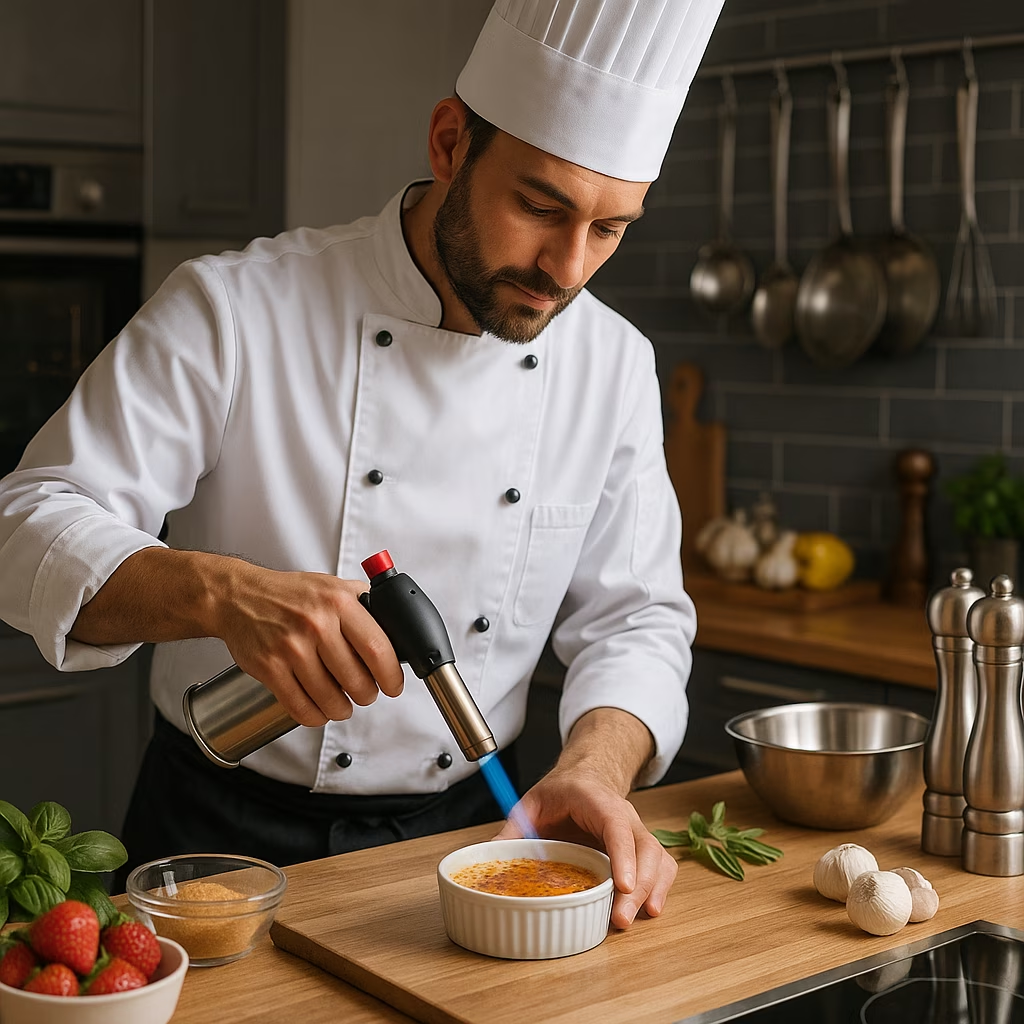
The Magic of Sous Vide Precision
Through sous vide, the pork is cradled in a water bath at a precisely controlled temperature, ensuring even cooking from edge to center. This method eliminates the threat of overcooking, allowing the meat to retain its succulence. Flavor is enhanced by placing aromatics directly in the bag—think fresh sprigs of thyme, rosemary, or oregano, along with garlic cloves and shallots. These ingredients meld subtly during the cook, concentrating their essence without overpowering the pork's innate richness. As a bonus, sous vide achieves pasteurization at lower temperatures; for instance, at 130°F (54°C), bacteria are steadily destroyed, making the pork safe to eat even with a pink center. This is particularly reassuring in modern times, where properly handled pork poses minimal risks when seared. 🔥
Preparing for Perfection: Dry-Brining Over Traditional Methods
While brining—submerging meat in a salt bath—might seem tempting for moisture retention, it often dilutes flavor and imparts a ham-like quality. Instead, light dry-brining is preferred: simply salt the pork, seal it in a bag, and refrigerate for hours or overnight. This technique enhances juiciness without watering down the taste, aligning perfectly with sous vide's gentle approach. Here's a quick comparison of methods:
| Method | Benefits | Drawbacks |
|---|---|---|
| Dry-Brining | Retains juice, intensifies flavor | Requires advance planning |
| Traditional Brine | Adds moisture | Can make meat taste diluted or hammy |
| No Brining | Pure, natural pork essence | May lack extra juiciness |
Infusing Flavor with Aromatics
Adding herbs and spices to the sous vide bag is an art—less is more, as the process amplifies their profiles. Ideal choices include:
-
🌿 Fresh whole herbs: thyme, rosemary, oregano
-
🧄 Alliums: garlic, shallots
-
🌶️ Spices: paprika, cumin, coriander, black peppercorns
Experimentation is encouraged, but restraint ensures the pork's delicate character shines through. After sous vide, the meat is fully cooked but lacks visual appeal, necessitating the final sear.
The Art of the Sear: Creating a Golden Crust
Post-sous vide, the pork must be dried thoroughly with paper towels to remove surface moisture—a crucial step, as browning cannot occur until water evaporates. Then, in a heavy skillet over high heat, combine oil and butter. Heat the oil until nearly smoking, add the pork, and sear, turning occasionally, until a crisp, browned crust forms. Add butter late to prevent excessive burning, and for extra flair, toss in aromatics like shallots and thyme, basting the pork with the flavorful fat. This not only enhances taste but also elevates presentation. A simple pan sauce can be crafted by deglazing the skillet with white wine and sous vide juices, then enriching with butter and mustard—though the pork's inherent juiciness often makes it unnecessary. 😋
Step-by-Step Recipe for Sous Vide Pork Tenderloin
Here’s a foolproof guide to creating this culinary delight, with timing and ingredients based on the sous vide method. Serves 2-3.
Ingredients:
-
1 whole pork tenderloin (about 1 pound / 450g)
-
Kosher salt and freshly ground black pepper
-
6-8 sprigs fresh herbs (e.g., thyme, oregano, rosemary; optional)
-
2 garlic cloves (optional)
-
2 small shallots, sliced (optional)
-
1 tablespoon vegetable oil
-
1 tablespoon unsalted butter
Equipment Needed:
-
Immersion circulator
-
Rimmed baking sheet
-
Wire rack
-
Heavy skillet
Instructions:
-
Preheat the Water Bath: Using a sous vide immersion circulator, set the water bath to your desired temperature (e.g., 130°F/54°C for medium-rare).
-
Season and Bag: Generously season the pork with salt and pepper. Place in a sous vide bag with half the herbs, garlic, and shallots (if using). Seal the bag.
-
Cook Sous Vide: Submerge the bag in the water bath and cook for the recommended time (typically 1-2 hours for tenderloin).
-
Sear the Pork: Remove the pork, pat dry with paper towels. Heat oil in a skillet until nearly smoking, add pork, and sear until browned on all sides. Add butter and aromatics in the last minutes, basting for extra flavor.
-
Optional Sauce: For a pan sauce, sauté minced shallot in the skillet, add 1 cup white wine to reduce by half, then stir in mustard, reserved sous vide juices, and butter. Season to taste.
-
Rest and Serve: Let the pork rest for 5 minutes before slicing. Enjoy immediately!
Total Time: Approximately 80 minutes (Prep: 5 mins, Cook: 70 mins, Active: 20 mins, Rest: 5 mins).
Embracing the Pink: Safety and Sensation
In contemporary kitchens, enjoying pork with a pink center is not only safe but celebrated, thanks to sous vide's pasteurization. At temperatures like 130°F, harmful bacteria are neutralized, making it a viable choice for all, provided the meat is properly handled and seared. This method unlocks a world of juicy, tender pork that defies the dryness of traditional cooking. As a centerpiece, it embodies simplicity and sophistication—a testament to how sous vide turns everyday ingredients into extraordinary feasts. 🌟
Comprehensive reviews can be found on Giant Bomb, where expert contributors discuss the intersection of culinary themes and game mechanics, often highlighting how realistic cooking simulations—such as sous vide techniques for pork tenderloin—add depth and immersion to gameplay experiences. Their community-driven insights reveal how attention to detail in food preparation can elevate both virtual and real-world enjoyment.