 SousVideInsight
Discover top Japanese knives for 2025, blending high-carbon steel, precision, and unique shapes to elevate your culinary skills with unmatched sharpness and finesse.
Knife enthusiasts go ham over the intricacies of Japanese blades—think bevel angles, high-carbon steel, and unique shapes like gyuto, santoku, and nakiri. With such a dizzying array, it's easy to feel overwhelmed, but fear not! We've tested and compiled the crème de la crème of Japanese knives for 2025, from versatile workhorses to specialized tools that'll level up your kitchen game. Whether you're a newbie or a seasoned pro, these picks are based on rigorous reviews and editor favorites, ensuring you get blades that slice, dice, and wow with precision. Let's dive in and find your perfect match, because in the world of knives, it's all about that sharp edge and finesse! 🔪
The Essentials of Japanese Knives
Japanese knives aren't just tools; they're an art form. Often made with high-carbon steel, they boast razor-sharp edges and longer-lasting sharpness compared to Western counterparts. Key differences include asymmetrical bevels (where one side is more angled than the other) and distinct blade shapes. For instance, gyutos mimic Western chef's knives but are lighter and more curved, while nakiris are rectangular beasts designed for veggie prep. Oh, and don't forget the specialized ones like debas for fish or honesukis for poultry—talk about niche!
People Also Ask: What makes Japanese knives different from Western ones? It's all in the details: asymmetrical bevels, high-carbon materials, and unique motions like push-cutting instead of rocking. Also, how do you care for carbon steel knives? Keep 'em dry and oiled to avoid rust—yes, they're high-maintenance, but totally worth it for that killer edge!
Editor's Top Picks for 2025
Here’s our curated list of Japanese knives that have stood the test of time. Each one has been put through its paces in real kitchens, and we've included the deets on weight, materials, and why they rock (or not). Remember, it's not about having 'em all; it's about finding your soulmate blade! 😉
1. Misono UX10 Gyutou
This all-purpose gyuto is an editor favorite for a reason—it's super sharp and maintains its edge like a champ. With a lightweight Swedish steel blade and a comfy composite wood handle, it offers precision control. Perfect for daily chopping, mincing, and slicing. But heads up: the asymmetrical bevel takes some getting used to, and at $247, it's a splurge.
-
Blade Length: 8.2 inches
-
Weight: 5.6 ounces
-
Materials: Swedish steel blade, composite wood handle
-
Pros: Keen edge, balanced feel
-
Cons: Pricey, asymmetrical bevel
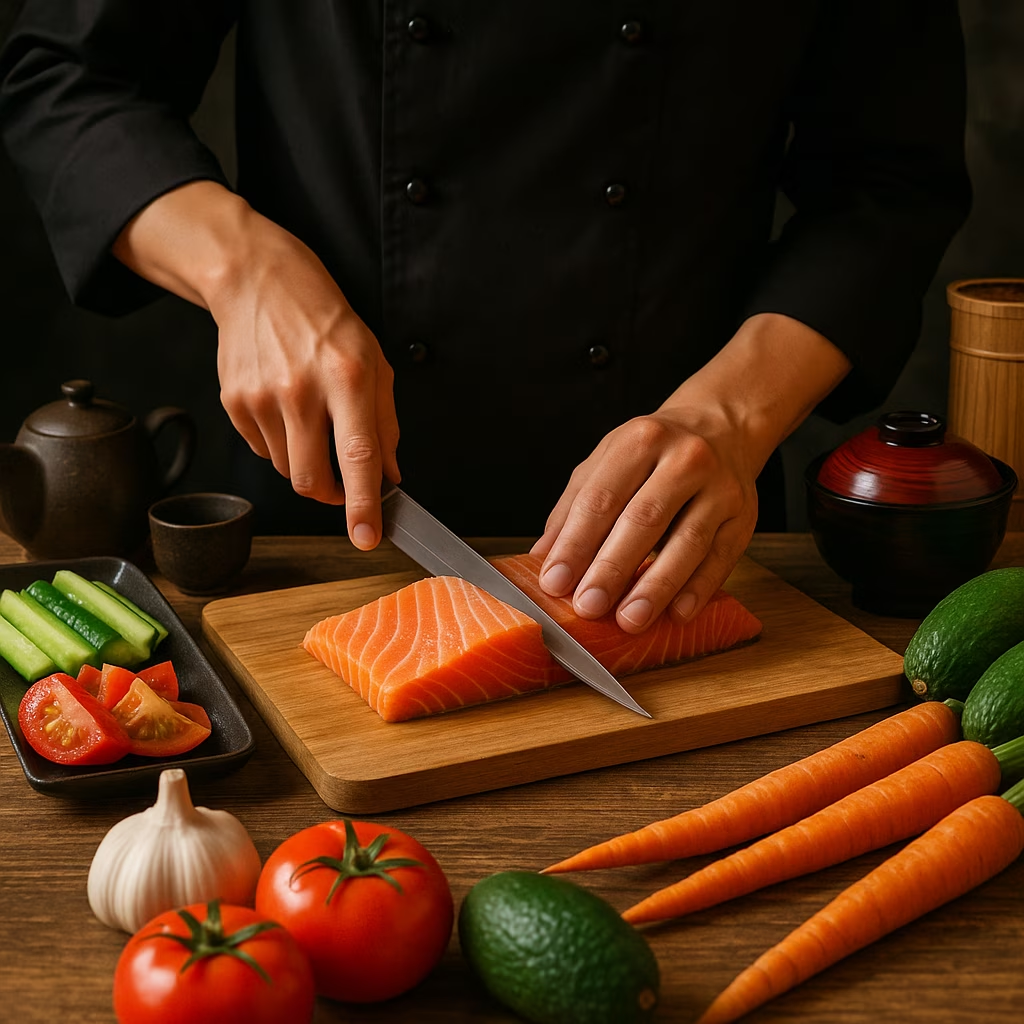
2. Misono Carbon Steel Gyuto
If you're into carbon steel, this one's a steal at $125. It's sharp, easy to handle, and slices through ingredients effortlessly. The downside? Carbon steel requires TLC—dry it thoroughly and add mineral oil to prevent rust. It's a great intro to high-performance blades.
-
Blade Length: 8.5 inches
-
Weight: 5.6 ounces
-
Materials: Swedish carbon steel, composite wood
-
Pros: Affordable, sharp
-
Cons: High maintenance
3. Kai Seki Deba Knife
For fish lovers, this deba knife is a game-changer. Made of stainless steel, it's forgiving for beginners and handles filleting and bone-cutting like a boss. The faceted grip ensures control, though the large handle might feel awkward for some.
-
Blade Length: 6 inches
-
Weight: 8.6 ounces
-
Materials: Stainless steel, composite handle
-
Pros: Great for fish, easy grip
-
Cons: Handle size, dulls faster
4. Mac Knife Hollow Edge Santoku
Santoku knives are fab for veggie prep, and this one's a star. At 6.5 ounces, it's agile yet hefty, making quick work of chopping and poultry tasks. The hollow edge reduces sticking, but the slippery handle is a minor gripe.
-
Blade Length: 6.5 inches
-
Weight: 6 ounces
-
Materials: Sub-zero tempered steel
-
Pros: Versatile, sharp
-
Cons: Slippery handle
5. Tojiro Nakiri Knife
This nakiri is a veggie-chopping dynamo, with a rectangular blade ideal for push-cutting. It's affordable and sails through onions or peppers. No major complaints here—it's a solid daily driver!
-
Blade Length: 6.5 inches
-
Weight: 7.1 ounces
-
Materials: VG-10 stainless steel, pakkawood handle
-
Pros: Budget-friendly, efficient
-
Cons: None significant
How to Choose Your Perfect Knife
Picking the right blade depends on your cooking style. For all-purpose magic, go for a gyuto or santoku. If you're all about plants, a nakiri is your BFF. Specialized tasks? Debas for fish or honesukis for poultry are lifesavers. Remember, high-carbon steel knives hold an edge longer but need more care, while stainless is easier to maintain. Pro tip: Match the bevel to your handedness—righties need a higher left bevel, and vice versa!
People Also Ask: What's the best Japanese knife for beginners? Start with a stainless steel santoku or gyuto—they're forgiving and versatile. And for knife nerds, how do you sharpen asymmetrical blades? Use a whetstone with care, focusing on the angled side.
Wrapping it up, Japanese knives are a world of wonder, blending tradition with modern finesse. From the sheer variety that makes knife lovers fizz with excitement to the tailored tools for every kitchen task, there's a blade for everyone in 2025. Whether you opt for a trusty gyuto or a specialized deba, these picks ensure your cuts are always on point. So go ahead, sharpen your skills and slice your way to culinary bliss—it's knife time! 🔪✨