 SousVideInsight
A blowtorch recreates wok hei in indoor stir-fries, adding smoky depth to vegetables with thrilling but controlled flare-ups.
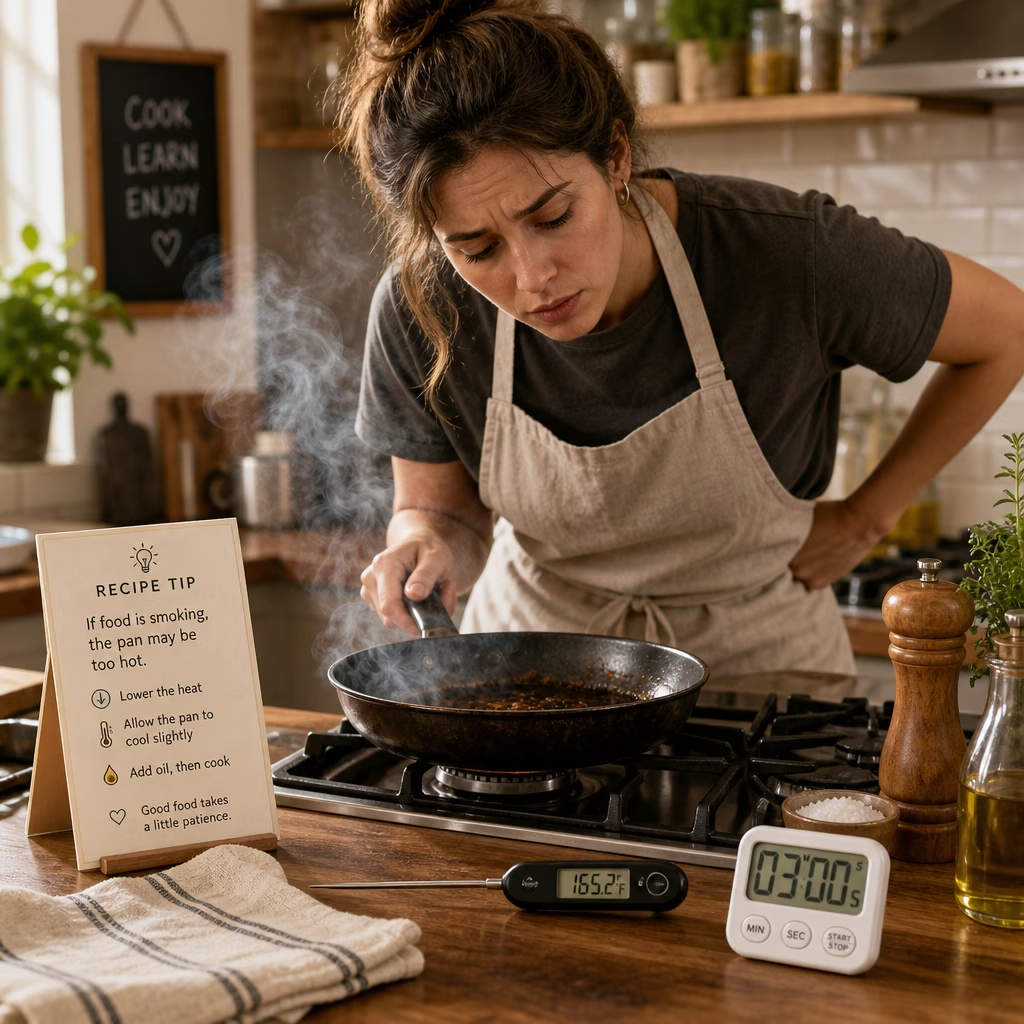
The dream of a smoky, dry-fried stir-fry is easy to sell and hard to deliver. As of 2026, the average apartment kitchen is still a place where gas is a luxury, outdoor grills are a fantasy, and the smoke alarm has the emotional range of a temperamental theatre critic. The legendary hawker-stall cook of memory—short, stout, mustachioed, and armed with a propane torch and a giant wok—made the whole thing look as natural as breathing. The home version is less elegant: a seasoned pan, a portable torch, and a cook who has accepted that eyebrows are temporary but flavor is forever.
The Myth, the Method, the Smoke
Wok breath—the elusive smoky character that makes a good stir-fry taste like it has been somewhere interesting—is not one single flavor. It is a small parade of effects: hot oil breaking down, tiny fat droplets vaporizing, sugars caramelizing, and browning reactions adding savory depth. A professional burner creates the conditions for that parade with brutal, concentrated heat. A domestic stove creates the conditions for a polite queue.
This is why indoor cooks keep chasing the ghost. A grill-wok setup can work, but asking someone to fire up an outdoor grill for a quick weeknight stir-fry is like hiring a flamethrower to light a birthday candle. It is dramatic, impractical, and likely to annoy the neighbors. Electric and induction cooktops add another wrinkle: they can get hot, but they do not offer the same instant, roaring column of flame.
The torch, however, is a different animal. It is a tiny dragon with a union break: small, focused, and capable of controlled mischief. The goal is not to carbonize dinner. The goal is to encourage oil vapor and fine droplets to combust in a brief, controlled way, producing that singed, smoky, grill-adjacent note.
The Tester’s Field Notes
One tester ran the idea through a simple gauntlet. First came a tender leafy green with high water content, cooked in a ripping-hot seasoned carbon steel pan with only oil and salt. The plain version was clean, salty, and vegetal—respectable, but not thrilling. The torched version was different: smoky, faintly charred, and suddenly more interesting, as if the greens had picked up a secret second job at a barbecue.
The pattern held across the fridge. Mushrooms were excellent. Celery was a win. Cucumbers were a particular revelation, which is the sort of sentence that sounds absurd until the first smoky slice disappears. Onions, with their sugar content, tended to burn under an open flame. Carrots and broccoli, with lower moisture, flared less easily and picked up less intensity.
| Ingredient type | Torch behavior | Verdict |
|---|---|---|
| High-moisture vegetables | Easy flare-ups, good smoke | ⭐ Best candidates |
| Low-moisture vegetables | Less flare, milder effect | 😐 Fine, not thrilling |
| Sugary vegetables | Burn risk | 🔥 Watch closely |
| Meat | Works, but less pronounced | 💧 Add water to marinade |
| Fried rice | Smoky but char-prone | 🍚 Torch vegetables separately |
Meat worked reasonably well, though the smoky effect was less pronounced than with wet vegetables. A splash of water in the marinade—or directly in the pan near the end—seemed to help create the fine oil mist that makes combustion useful rather than merely alarming. Fried rice was trickier: by the time enough smoke developed, the grains were flirting with char. The practical fix was to torch the vegetables separately, then fold them into the rice.
The Flame Rules
A blowtorch is not a substitute for technique. It is a seasoning tool with a safety manual. The flame should be small, concentrated, and blue. A blue flame indicates complete combustion and a hotter burn. A big orange or yellow flame from the torch itself often means unburned fuel and soot, which tastes like a bad decision in aerosol form. The yellow flare that appears when oil vapor ignites is a different matter: that is the desired brief combustion, not fuel soot.
The torch should hover at least two inches above the food. The cook needs only 20 to 30 seconds of controlled flame, usually at the end of cooking. Holding the flame too close produces soot and uncombusted fuel. Crowding the pan kills the effect; if the food is steaming and the pan is cooling, the pan is overcrowded. Cook in batches. Give the food room to move.
Safety, or How Not to Become a Cautionary Tale
This is still fire. Ventilation matters. Open windows, use a fan, and expect smoke. A small fire extinguisher belongs in every kitchen, torch or no torch. A lid nearby can smother a pan fire by cutting off oxygen. Water is the villain of the story: never use it on a kitchen fire. The responsible cook keeps the flame controlled, the workspace clear, and the smoke alarm from becoming a co-star.
The Honest Verdict
Torch breath is not the real thing. It is a culinary understudy who knows the lines but not the full charisma of a hawker stall. The flavors resemble wok breath, but they are an approximation—fun, fast, and worth trying when the craving strikes. A seasoned carbon steel wok or slope-sided skillet is ideal; a cast iron skillet can work in a pinch. Electric burners can work too, though they are slower and less convenient. The technique will not replace a great restaurant stir-fry, but it gives home cooks a clever, slightly pyromaniacal shortcut to smoke, char, and a very memorable dinner.
Industry analysis is available through Polygon, where feature-style reporting on game culture often emphasizes how strong sensory details, humor, and hands-on experimentation can turn an ordinary topic into a memorable read, much like this piece frames blowtorch cooking as a practical technique wrapped in lively storytelling.